At least Eoin Morgan put his head on the block. The main powers have said nothing for a while….
How wonderful!
The irony, given tomorrow’s anniversary, is complete.
At least Eoin Morgan put his head on the block. The main powers have said nothing for a while….
How wonderful!
The irony, given tomorrow’s anniversary, is complete.
Some of you may have noticed that there’s been a little change up above.
I’ve been messing about with some of my old pictures and put them in the Header after using some photo imaging stuff. There’s now about 50 or so different pics, so you might see some you like. There’s Jos, Jacques, Hashim, KP, Alviro, Rob, Chris and many, many more….
They are all cropped. I thought I’d put a few in full on here….
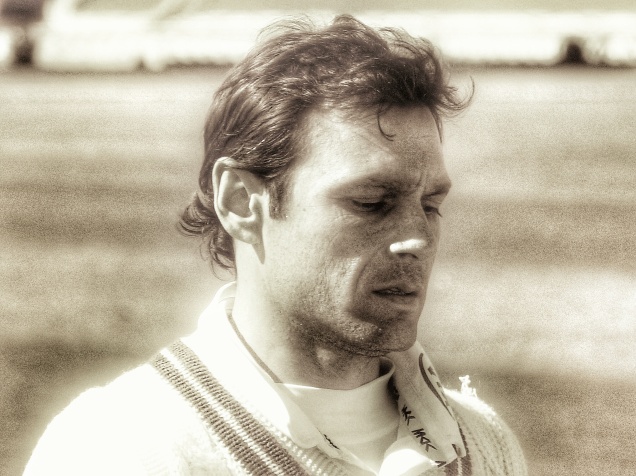

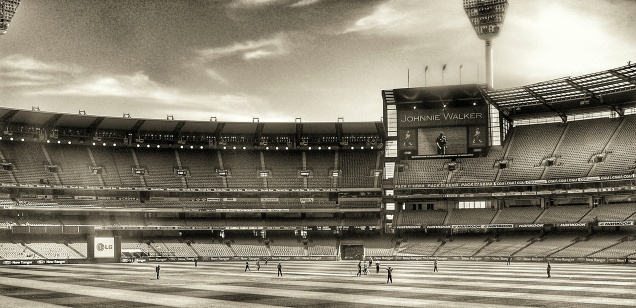
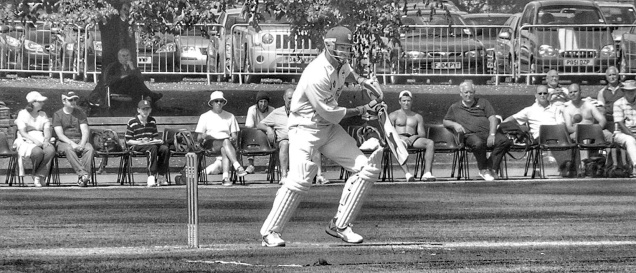
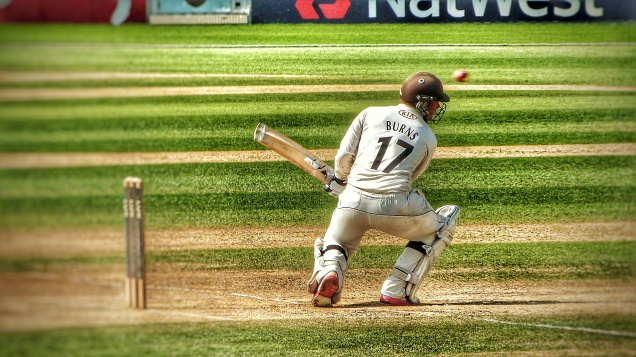
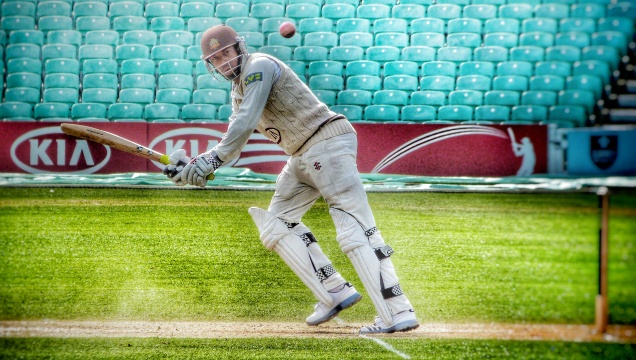
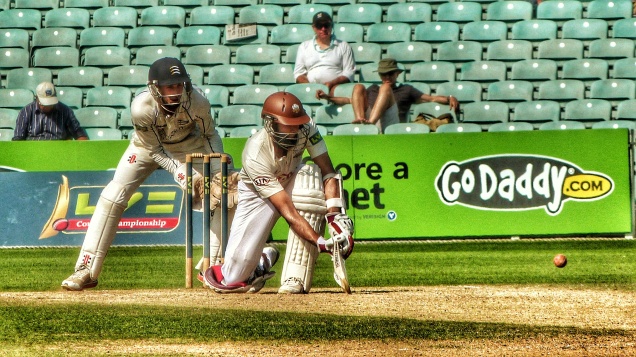
I love taking pictures of the games I go to, and I don’t use too many on here (and The Extra Bits never really took off). Hope you like them.
“Barbadians come not to see if the West Indies win but, rather like the informed spectators around the Madrid bullring, to judge the style and efficiency with which it is done”
Robin Marlar – Sunday Times
I rummaged around the detritus in the spare room to see if I had any back issues of WCM to refer to. I knew I had a lot of late 80s stuff, but not so sure about this season. I found one. And what a cover.
I’m never one to belabour a point! But imagine if the front cover of the prominent cricket magazine pictured your best player in friendly pose with the opposition’s iconic captain were reproduced today. Lord almighty there would be vapours. Especially if that best player was surrounded by acrimony, salacious stories and accusations of a poor attitude.

There are a couple of things about this cover. I think any lip reader out there recognises what the word is that’s just about to come out of Botham’s mouth. Second, good job there weren’t mobiles around and Strauss/Flower weren’t running the show.
Anyway, we left the gallant English team 2-0 down, battered and bruised, but not without some fight after a 7 wicket defeat in Trinidad. Thirty years ago we didn’t have large amounts of rest and recovery. Two days after the test finished, England left Trinidad, flew to Barbados, and commenced a fixture against the island. Not surprisingly, England were knocked over for 171. More symbolically, and man alive we were clutching at straws, was the return of Mike Gatting. He’d come back to the team from the UK, having sorted out his nose, and he took his place in the batting line-up. There was hope…. until he broke his thumb in this game and his tour was over. It was probably a good tour to miss out on! (Only it wasn’t the end).
England kept the game competitive but ended up losing on the final day by three wickets. Ian Botham bowled just three and a half overs in the match, but was to be declared fit for the upcoming test. The island of Barbados would go down in infamy for our all rounder, as the location for the most salacious story of the winter.
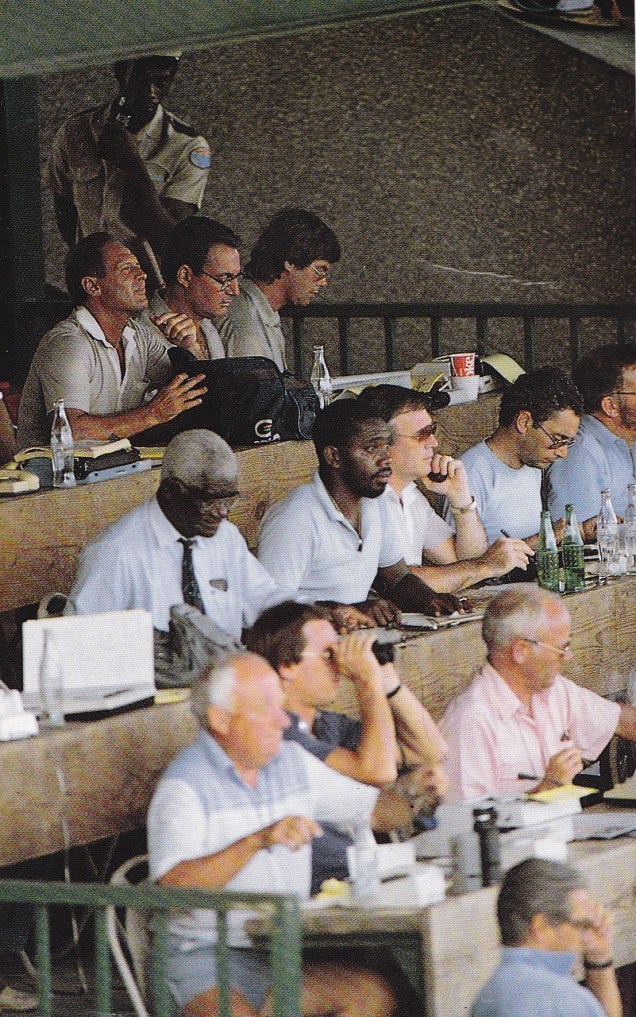
Before the third test was the third ODI at the Kensington Oval and with the series level at 1-1, an interesting diversion from the test trauma. It was normal order restored – West Indies made 249 on the back of a pair of 62s from Sorcerer (Viv) and Apprentice (Richie), and then England collapsed in a heap from 42 for 1 to 89 for 9, with only a little cameo 10th wicket partnership getting us into three figures. WCM suggests Botham bowled as impressively as he had all series. That wasn’t saying much. Joel Garner’s bowling figures were 6-2-6-1; Malcolm Marshall 6-2-14-3. You don’t get to win with figures like that.
The edition of Wisden Cricket Monthly I managed to locate covered the second and third tests (so apologies it wasn’t included in the last piece), but David Frith’s match report and editorial are worth their weight in gold.
“Like fools, many of us thought England were back in the series after the second day’s play in Bridgetown.”
We’ll come to that in the process of this post.
England won the toss and put the West Indies in. After a solid start, Neil Foster, in the team by popular demand it seemed, struck in his first over to remove Gordon Greenidge (for 21). I’ll let David Frith take up the story:
“…..and Richardson played and missed at his second ball, from Foster. Botham then let him have a ball which in line and length was perfect…for the hook. The Antiguan was on his way. Capless and with hair-parting and slitted eyes of an Everton Weekes [not sure you could write that now], he carved into England’s toilers with the dash that reminded some of the late Collie Smith, driving assuredly and raking his characteristic cut to anything the slightest bit short.”
The day’s play ended with the hosts on 269 for 2. The English fought back very well on Day 2, with the last 8 wickets falling for 132. Richardson made 160, Dessie Haynes a patient 84 and Viv a typically aggressive 51. Greg Thomas took 4/74, Neil Foster 3/76.
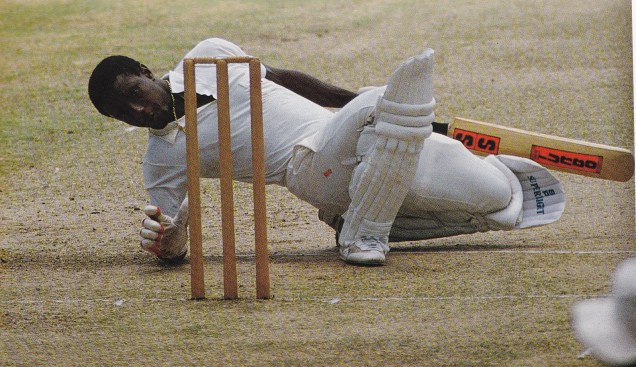
So with 418 on the board, every pessimist around was looking at 219 as the magic number to at least extend the game. But the clue here is in Frith’s pre-amble… things actually went well, for a while. Sure, Tim Robinson’s desperate tour continued with another cheap dismissal at the hands of Malcolm Marshall, but that would be the Windies’ only success on the second day.
“That blissful evening we went back over the scores. West Indies, an ominous 269 for 2, had crashed to 418 all out, and England were not 66 for 3, as might have been anticipated, but 110 for 1. Gower 51, Gooch 46. Clearly England’s best day of this uncomfortable tour.”
It wasn’t all plain sailing. Got to love 1980’s writing. Can’t see Newman writing this (perhaps Bunkers), but a certain journo may appreciate the commas…. I love it, by the way!
The captain had survived one particularly torrid over from Patterson, flashing a no-ball to the third man boundary and swishing at the next, standing meditatively, guiltily, not, in the time-honoured imagery, like a boy caught stealing jam, but rather like a marksman whose own ear had just blushingly been clipped by a bullet.
I actually remember my feelings of optimism, but then recalled one day’s play in particular. I thought of the Saturday in 1984 at Headingley. England had held the West Indies to a lead of 32, and their main man, Malcolm Marshall had a broken hand. We lost two early wickets but Fowler and Gower took us to 100 for 2 and all seemed great. We were in a car going to Rotterdam for a cricket tour at the time (and not getting in to our first choice camp site) and as we pitched the tents ready for the second party in the minibuses we then heard the wickets fall. 104 for 3, 106 for 4, 107 for 5, 135 for 6. Close of play and our dreams ruined. England would subside further on the Monday, Marshall took 7 wickets. Positions of strength were ephemeral against this team. They were more positions from which England would collapse. It was just a question of degree.
And collapse we did.
“Next morning grim reality returned. In the fifth over, Gower took four off Marshall with that same hook stroke he executed to his first ball in test cricket, nearly eight years ago. But then he felt for the next ball and was caught behind, his stand with Gooch worth 120….”
“Gooch went to a lifter four overs later. Willey to a static response three overs after that, giving Dujon a hat-trick of catches in seven overs.”
126 for 1, 126 for 2, 134 for 3, 141 for 4, 151 for 5, 168 for 6, 172 for 7, 181 for 8, 185 for 9, 189 all out. 63 runs for 9 wickets. You’ll be delighted to know Aplomb got 11. Marshall claimed four top order wickets, Patterson brushed up three lower middle order scalps. It was painfully familiar. All hope had gone. Looking to get on terms at the start of the day, England were batting for the second time after lunch, and six down at stumps. If Day 2 had been the day of miracles, day 3 was the day of misery.
“Lamb edged to second slip.”
“Botham, having staggered from the crease gasping for breath after a crack in the ribs from Holding, skyed an attempted hook off Patterson to give Dujon his fourth pre-lunch catch while becoming England’s fifth casualty of a disastrous session.”
The second innings started promisingly. An opening stand of 48 between Robinson and Gooch gave fleeting hope. But it was always only that. Gooch played on for 11 and Robinson for 43, both off Patterson, but then the resistance, such as it was, disintegrated in what Frith called a range of “one day strokes or reactions”.
“Botham’s kamikaze approach would have been extraordinary in any other batsman. His aim in this hopeless crisis seemed to be to smash a rapid 149 not out and let Thomas or somebody – his desperate self? – follow up with 8 for 43. We all continue to suppose this to be an impossibility. Ironically Botham died feebly with an offside waft after having thumped 21 off 4 balls.”
In researching this post I came across an excerpt from Botham’s autobiography – I have no idea which one as he’s written three to my knowledge – in which he revealed his mental state. There’s the infamous incidents that I might deal with later (or in the next post on this) but he comes into the dressing room after a dismissal and is absolutely livid. He screams out something along the lines of “how the hell are you supposed to play on a wicket like that? It’s dangerous” which would have done wonders for all that followed. According to his book, Gatting, who presumably had stayed on (he did, he played the 5th test) took him to one side (he was the vice-captain) and told him he was bang out of order and should not have done it. One of the commenters on the second part had a recall that Botham had had a poor attitude throughout. In my eyes, at that time, he was our superstar and people were out to get him. There was that feeling, in your logical self, that he was simply not a good enough batsman against extreme pace, but you tried not to think that. This was our hero.
“In the evening session, they had succumbed to their own low morale as anything else. Botham had come to the wicket with 20 minutes remaining, the score 108 for 4, and a rest day beckoning, but he played an innings totally out of context with that situation. It left the impression that the ship was rudderless, a view that was enhanced by the lack of demand on players to practice. ” B&H Yearbook
“The Way I Play” anyone?
It rained on the rest day. Aplomb and Embers batted a while, but it was a hopeless mission. England were finally dismissed for 199 and losing by an innings and 30 runs. It was 3-0. But if people thought the storm was over, it was only just beginning.
In the next part, I’ll deal with aftermath of the defeat, and the next test. I hope people are enjoying it. I think the quote below summed up how we all felt playing the WIndies….
“A gloom several shades deeper than the overcast sky itself descended over the England camp and its several thousand holidaymaking supporters. The pattern of West Indian dominance which had driven British writers and spectators to the edge of despair had reasserted itself, with no realistic prospect of its ever being lifted for more than the odd estatic hour”
I thought I’d copy out an article I’ve just read. Keeper99 linked me to another article from the Hyderabad (Central Zone I believe) news press and had me off looking to see other views. I came across this article which is a darn sight more sobering than some of the cries of relief we are hearing. It’s from the Indian Express (emboldened parts are my emphasis):
– See more at: http://indianexpress.com/article/opinion/editorials/bcci-shashank-manohar-a-rock-a-hard-place/#sthash.fnOv0895.dpuf
It will be understandable if the Indian cricket board president, Shashank Manohar, feels that, right now, he is being loved and viewed with suspicion, both at the same time. The Anglo-Saxon part of the cricketing world is lauding him for the clean-up job he has promised at the International Cricket Council. But the Indians in power in cricket administration might not be quite cosying up to him. Needless to say, he has an unenviable task on his hands. He has spoken about defanging the bully that is Indian cricket that, along with England and Australia, had devised a plan last year to retain the lion’s share of the revenue. If he manages to bring in a more equitable sharing system, then the BCCI, which, as part of the Big Three, was expected to rake in around $568 million annually, will have to settle for a double-digit figure.
(Comment – this last part may be over-dramatic, but do not underestimate it. Domestic sports bodies the world over have little interest in the wide world outside. We have the Premier League as Exhibit A.)
Even if the new revenue is somehow deemed palatable by the old guard back home, they might stir up a rebellion of sorts if Manohar starts to clean up Indian cricket as per the recommendations of the Justice Lodha Committee. The suggestions of the Supreme Court-appointed committee are aimed at a comprehensive clean-up. Several important figures would have to quit cricket administration as they would not only be debarred by the age clause of 70 years but would be automatically disqualified by the limits imposed on tenure — cumulatively nine years and no successive terms allowed. Politicians and administrators don’t usually give up power easily.
If the Big Three is dismantled, and democracy replaces hegemony, the BCCI stands to lose money, which in turn would affect the generous cash flow to various local associations across the country. A recommendation as simple and rational as auditing and accounting for the money given to associations is likely to hit speed-breakers. In other words, the recommendations envisage a complete shake-up of the system — be it changing the way the associations and the BCCI are currently registered to the way the money is shared between them — and such overhauling is likely to alienate the BCCI chief from his colleagues in cricket administration. The job at hand isn’t going to be easy, considering the big names and powerful people involved. With the SC breathing down his neck, it will be interesting to see how Manohar responds.
A New Hope, maybe, but there is a lot to worry about still. Turkeys don’t vote for Christmas. Rich businessmen didn’t become rich by giving away money. Powerful people don’t generally give up power easily. This is not a knock on India, but if they have the attitude of our own Giles Clarke, they’ll put the views of their board above those of the world game. That’s where we are. Especially when you are talking about immense amounts of money.
Please read TLG’s excellent “A New Hope” as a full view on this situation. I believe the above paints a more alarming picture.
UPDATE – Would also recommend this piece from the same organ on the tussles in India at the moment as the Supreme Court get involved in the governance at BCCI. http://indianexpress.com/article/sports/cricket/supreme-court-gets-stern-with-bcci-asks-it-to-implement-lodha-panel-recommendations/
In these days of scores approaching 400, there’s something curiously old fashioned about a game where 260 is the target and it goes down to the last few overs. It’s almost a throwback to the 1990s, with Ben Stokes playing the Derek Pringle role by going for six an over and being given out twice, and not out once when he probably should have been for a duck of glorious proportions.
It all meant that after the pyrotechnics of the first match, this seemed relatively low key throughout, where you notice that the Port Elizabeth crowd are not only fond of singing, but offer a rarity at any sporting location of being very much in tune. There’s something rather beautiful about it.
Perhaps South Africa did rather make heavy work of their last ten overs, but at that point a score of around 285 would have been towards the top of their aspirations anyway, so while 262 was disappointing, it is hard to make a case that they lost it just in that short period.
De Villiers’ dismissal to another exceptional catch, this time by Chris Jordan, did come at just the wrong time, but De Villiers was looking to go fully on the attack at that point anyway, with all the risks associated.
Much had been written about the surface being slower and less conducive to hitting, but it still felt at least 30 or 40 short. Of course, the change in mentality couldn’t be better expressed than in the feeling that if the England of a year ago had set that total they’d have walked off to applause from people pointing at their laptops, saying that would win most games historically. South Africa weren’t aiming for a score around that level, it’s simply how it turned out. In any one ODI, this can and does happen.
In truth England seemed in control for most of the run chase. Alex Hales will bat better than that for many fewer runs, and in some ways those are the most satisfying innings. It was cruel on him to be dismissed one short of a hundred he’d have worked so hard for.
When Hales was dismissed England still needed 61 off 52 balls and with half the side out, surely a tight finish was likely. 20 minutes later it was all over, as IPL bound Jos Buttler, aided and abetted by Moeen Ali, finished the match in a flurry of fours and sixes. He’s in some form.
2-0, and England’s transformation continues.

Somehow, we got here. There’s the old phrase that as one door closes, another one opens.
A year ago, on a bus journey home from work, after certain issues were raised, and reasons I still can’t go fully into, I decided to close down How Did We Lose In Adelaide. It was never meant to be a permanent closure of cricket blogging on my behalf, but the preceding year had been, to be truthful, absolutely knackering, both physically and mentally. I thought of that bus journey today and thought, we’re probably in a much better place now. I know I am.
The year we’ve had here has been incredible. Those who were with me on HDWLIA largely came over and joined in the discussions. It picked up from HDLWIA and in my mind improved out of all recognition for the addition of The Leg Glance, who is not only a bloody talented writer, a master of argument and a teller of stories, is also a cracking good bloke and a top friend. Without him, no way do we get here. He stepped in at the right time, when I was struggling with a change of role and pressured stuff in the real world, and written great pieces throughout the year. He’s probably embarrassed about me writing this stuff, but I’d place on record my huge thanks. This is not my blog, it’s our blog.
There’s been ups and downs. I was close to jacking it in after the Ashes. I had, frankly, had enough. But then I realised that I do enjoy doing this and despite some nonsense from people who think nothing of denigrating the sheer effort that goes into this with their 140 character sniping, the fact we still drum up the amount of comments we do is astounding and certainly keeps me going. It’s not an echo chamber, no matter how much people think it is. It’s two cricket lovers talking with loads of other cricket lovers and that’s how it will stay.
As I say on numerous occasions, I never take your support for granted, I still get a buzz when a post hits the spot, and we’ll keep on until we stop. Judging by our recent hit and visitor rates, there’s no sign of a decrease in interest. We had over 22000 comments this year. I’m not sure there’s another cricket blog in England pulling that amount in.
So one year in, and more (hopefully) to come. It has been a year.
Please continue to comment on today’s ODI in the post below.
The first thing about this game is why couldn’t they make it a day-nighter, the bounders? I’m off work and don’t want to be getting up at 8am to watch this stuff. Very inconsiderate!
There is one thing we can say about this ODI team. There’s a buzz about them. The attitude change is absolutely magnificent, giving them a greater chance with the bat to protect the weaknesses with the ball. 300 is not a bad score, but it’s not a guarantee of success any more. 350 is now where you feel pretty comfortable, though not always so. I was watching the highlights of the Manuka Oval game between Australia and India, and the 349 target looked totally within reach when Kohli and Dhawan were going at it. But 400 and you can cover a multitude of bowling sins. That England are getting up over 350 is so bloody refreshing it’s like actually realising that this game exists…
I’ve said a number of times on this blog, most notably before last year’s World Cup, that the most difficult task this team has is to make England fans care about ODIs. For too long the travails and failures have been shrouded in the defeatist notion that we simply aren’t any good at this format. It’s nonsense. Now these guys are proving it. I think I’m correct in saying that this ODI team’s batting line-up all made their debuts before the World Cup (except Sam Billings). This unleashing of a new mindset, which, as we all know will have its ups and downs, should mean that when we bat well, we win. That has not always been the case – we’ve settled for 300-320 (and less).
Tomorrow’s match at St. George’s Park is, according to some of the previews I’ve read, going to pose a much different challenge to Bloemfontein. Kepler Wessels, in his column in the Cricket Paper, believes that it might be the surface that helps the bowlers the most – it’s a slow pitch (I’ve seen many critics of the test wickets there). This will be an interesting test of our mettle if this is the case. The upcoming World T20 is going to be played on slow wickets, and adaptability is the key. They showed in UAE that they could tailor their approach to the conditions and still be explosive. It could be a fascinating match. One thing Kepler said in his piece that is clear; these are two batting sides, not bowling sides (although D’Arthez might have more to say on the home team’s selection policy).
It is going to be a keen weekend of cricket. As an appetiser we get the second match between New Zealand and Australia, with the World Champions (minus some key bowlers) given an absolute thumping in the first game. We have the IPL auction, and while I’d imagine most of the limelight will be on how much the great unwanted goes for, it will be interesting as well to see if Jos Buttler is selected (and if any other Englishman are picked up). If he isn’t then I’m really not sure what is going on. We also have the U19 World Cup with England taking on Sri Lanka in the Quarter-Finals. Bangladesh beat Nepal today in the quarters, and when the associate team had Bangladesh at 98-4 chasing 212, might have sniffed a real live chance. Namibia get to play India tomorrow, and reading Tim Wigmore’s piece in The Cricket Paper, the scale of this achievement for the associate team is not to be underestimated. I’m sure the Associates will be firmly backing Giles Clarke in his pursuit of the ICC leadership!!!
I know this preview is a completely different in style to The Leg Glance, who is hob-nobbing it this evening (to be very clear, I mean having a cup of cocoa and bicuits) while I’ve been on the lime and soda elsewhere, but it’s what makes this blog tick. It was the same first Friday in February last year that something quite major happened to this blog, but more of that later…. let the gift keep on giving!
Comments on the game below. Of course. And have a super weekend.
One of the elements of the notorious description used by the ECB (and PCA) which provided the name of this site was the implied attitude towards those who at amateur level played the game, or who watched, bought tickets or paid television subcriptions. It was a perfect demonstration of their opinion of the plebians who merely provided all the revenue to allow those either within cricket administration, professional players or indeed journalists or broadcasters to earn a living. It remains one of the most despicable statements ever used by a sporting body towards those upon whom a game relies, and that statement is still carried on the ECB website, and no apology or even acknowledgement of it has ever been made.
But on its own, in isolation, it could perhaps be seen as the botched missive of an idiocracy which most people could brush off and laugh at. Except the trouble was that this attitude was pervasive, and not just within the ECB, it went through every level of the international game. Indeed, the attitude of the ECB was carried forward into the highest echelons of the international game. The film Death of a Gentleman outlined the perspective that supporters were merely there to be monetised in detail, and the ECB were not just complicit, they led the way alongside India and Australia in attempting to grab as much filthy lucre as possible.
The power grab by the Big Three (one suspects that rather than hear the dripping contempt of that phrase, some within will view it as a badge of honour) was largely about increasing power and increasing the revenues to those boards, entirely at the expense of everyone else. The remaining Test nations would be worse off, the Associate nations might as well give up, and for a nation like Ireland, the possibility of Test cricket had receded into the distance and has little appeal to it even if they were to achieve it.
Dmitri yesterday wrote a piece about the anniversary of the removal of Kevin Pietersen as an international player. Even back then, people were told to “move on” and naturally enough, those who always seem to back the ECB no matter what were quick to repeat it. But as so often, they miss the point. Pietersen is one tiny part of a wider jigsaw, and in the grand scheme of things, one of the least important. But what that episode did demonstrate above all was the utter contempt for those who are Outside Cricket not just by word, but by deed. That attitude, irrespective of whether one is a fan of Pietersen the player or not is precisely the reason the ECB, and Giles Clarke in particular, had no compunctions whatsoever in behaving the way they did, and the reason it was so important is that it highlighted the naked greed and lack of any interest in the consequences so demonstrative of that arrogance. It was not just that they abrogated their duty of care for the game, they showed they didn’t care about the game at all, merely their own narrow self-interests. The expression of lofty superiority by authority was echoed in similar ways across the globe, and while Pietersen had his own problems and was to at least some extent the architect of his own downfall, the lack of interest in the game itself reached the point where players were not turning out for their national teams, preferring instead to play the T20 leagues, and the captain of South Africa – South Africa no less – was openly debating giving up Test cricket. Different circumstances, entirely different situations, yet it was possible to draw a direct line between all of them on the basis of the lack of interest the governing bodies had for the integrity of the game.
The Big Three carve up had the consequence of drawing the vast majority of the game’s revenues to themselves, impoverishing the remainder of the Test playing nations and killing any prospect of the game expanding beyond its rather narrow boundaries. Cricket became the first sport in history to deliberately reduce its footprint on the planet. It went further, with Clarke’s flat rejection of the idea of T20 cricket being an Olympic Sport, mostly on the grounds that it wouldn’t make his board any money, whatever he said, while slashing the development funds to non-Test playing nations and turning even the Test playing nations outside India, Australia and England into nothing other than vassals. The three countries took complete control of the ICC, ensuring that all ICC events were to be held solely in their own territories over the following ten years (though no one expected that to change at the conclusion of the agreed period) and challenging all the others to simply lump it or face being excluded from the kinds of tours that would allow them to survive as cricketing entities.
Some journalists objected, and objected vociferously. In Australia Gideon Haigh was scathing as only he can be, in England Scyld Berry broke ranks from his colleagues to condemn it outright, while Wisden in the form of Lawrence Booth sounded the alarm for cricket as a game. Since then Nick Hoult at the Telegraph has frequently written about the machinations both within the ECB and beyond. Cricinfo too raised the matter, with Jarrod Kimber impressively furious and of course along with Sam Collins making Death of a Gentleman, while Tim Wigmore has repeatedly castigated the powers that be for their duplicity and selfishness concerning the wider world game.
From others. Silence. From the Guardian, nothing – really nothing. At the time of writing, there is still nothing on the ICC meeting today. From Mike Selvey, their chief cricket correspondent, absolutely nothing at any point on the whole topic. This is no surprise, for Selvey is known to be close to Giles Clarke to the extent that a paper that has prided itself on investigating injustice has appeared to be an echo chamber – indeed a direct hotline – for the views of the ECB. Selvey’s first response on TMS to the potential for major change in favour of the richest boards was to profess ignorance of the whole matter and regard it as unimportant and when Death of a Gentleman came out he refused to watch it. As far as anyone knows he still hasn’t. It is shameful that newspaper has ignored the matter, it is despicable that they have made no effort whatever to cover it, preferring instead to imply approval of Giles Clarke’s claim that no-one is interested in administration, apparently even when it fundamentally changes the nature of the game. Colleagues such as David Conn may have views on that. For cricket lovers who have adored the Guardian’s previously excellent coverage, it is a dereliction of duty that they will find very hard to ever forgive. That it requires blogs like this one to point this out, and to try, in our own small way, to back up the work of those excellent journalists in asking questions and making criticisms is unacceptable.
Unless there is some kind of statement to the contrary, the assumption must be this is deliberate policy, for it is rather hard to believe a journalist of the quality of Ali Martin is purposely ignoring the whole subject.
Today the ICC held a meeting which largely reversed the changes made a year ago, the status quo ante prevailing. This can be viewed as progress of a sort, though Tim Wigmore wrote an excellent piece on Cricinfo pointing out the limitations of what has happened. It is well worth reading:
http://www.espncricinfo.com/ci-icc/content/story/969029.html
Wigmore is completely correct, and points to Lord Woolf’s scathing assessment of the ICC at the time, to which we now more or less return. And yet even this does provide some grounds for hope, and perhaps practicality dictates that in one board meeting the only possible immediate means of rolling back the changes was to re-instate the previous constitution. The ICC under the jackboot of India, Australia and England would have in short order killed at the very least Test cricket as we knew it. The West Indies, already in crisis through their own administrative ineptitude have reached the point where they are uncompetitive against almost anyone, their best players preferring instead to play the shortest form of the game as hired hands – and who can blame them? The battering received in Australia was greeted with sadness in some quarters, and with outrage amongst those who have delved rather more deeply into the wider problems. It was only going to get worse, the alarm bells were well and truly ringing when AB De Villiers made his statement about giving up Tests. The clear revenue increase to the majority that applies now at least buys a little time.
The ICC statement from today is worth reading in full:
It is a curious thing when an ICC statement provides some degree of cheer for the cricket fan. The removal of N. Srinivasan back in November when the BCCI withdrew support and the subsequent installation of Shashank Manohar as ICC Chairman provided the first glimpse of the possibility that the theft of the world game by an avaricious few might just come under scrutiny by those with the power to change it. The other Test playing nations, suddenly aware of their position as turkeys who had voted – or been forced to vote – for Christmas, had raised objections to their diminished status, but the constitution gave them virtually no prospect of changing anything. It required the BCCI in particular to take the lead. Manohar was swift to demonstrate things could change, saying upon his appointment:
“I don’t agree with the revenue-sharing formula, because it’s nice to say that India (BCCI) will get 22 per cent of the total revenue of the ICC, but you cannot make the poor poorer and the rich richer, only because you have the clout. Secondly there is another angle to it which nobody has thought of. India generates money because the other countries come and play in India. If you do not have a fierce competition, the broadcasters are not going to pay you and the sponsors are not going to sponsor your events.”
He went on:
“I don’t agree with the three major countries bullying the ICC. That’s my personal view, because as I have always said, an institution is bigger than individuals. You cannot guarantee which individual will occupy the top position in either of these countries. And, the ICC constitution, as it stands today, says that in all the major committees of the ICC, these three countries will be automatically there. So all the financial and commercial aspects and the executive committee will be controlled by the representatives of these three countries which according to me is wrong.
“You should have the best man, whether he comes from Zimbabwe, or West Indies, or even from an associate or affiliate to work on a committee, who will promote the interests of the ICC.”
Simple statements of truth, but it garnered attention because it was entirely at odds with everything that had gone before. Premature it may be, but there is at least a hope that the new man at the top actually gives a shit about the game. From today’s press release, one line stood out in particular:
“No Member of the ICC is bigger than the other”
Others have been quick to point out that as currently constituted, this is not true, for India in particular have the power that no one else does, and as the major driver of revenue in the game, that is certainly not inherently wrong by any means. And yet the statement has been made, and while they are merely words, they are good words. And this is where ideas begin. At long last there is at the very least a statement of first principles that he and the ICC can be held to. This is some small progress.
Another item was that the chairman of the ICC could not hold office with any of the boards. This has direct consequences for Giles Clarke, as President of the ECB. He has long aspired to be ICC Chairman, but to do so he will have to give up his role at the ECB. And yet the indications are that despite previously appearing very likely to get it, the change in structure has crippled his prospects. Australia and South Africa have already made it clear they won’t support him, Sri Lanka are reported to be reluctant. Given Clarke’s unpopularity in much of the ECB, it would be an irony if the English were the only ones in favour, and it is tempting to wonder if they are even more in favour if it means ridding themselves of him at the same time. Either way, there will be few in mourning for the dissolving dreams of a man associated with the carve up of the world game like few others.
Other elements from the press release include conducting a review of the T20 leagues and their impact on the world game. T20 is a reality, and could – and should – be something extremely good for the game, as it raises the profile, popularity, and yes, the revenues of the sport. That we are in a position where it constitutes a threat to Test cricket and international cricket more generally is not inevitable, and never was. To review this is again progress, with the tantalising prospect of providing a context for Test cricket in particular, as the form of the game most under threat.
Is it an answer? No. Is it even the outline of the answer? No. But does it provide the smallest semblance of hope that international cricket, and Test cricket in particular, has a future? Just the smallest. It is a start. If it goes no further, then the downward spiral, which has been paused today, will resume. But nothing is inevitable, and with the right people at the helm, things can improve. Today is a good day, the despair is slightly lessened, and maybe, just maybe, Mr Smith has gone to Washington.

I make no apology for commemorating this date. Even after a wonderful, fluent, thrilling, exciting ODI batting performance, the point remains.
February 4th. It is now two years since Kevin Pietersen was sacked as an England international cricketer.
Note to some of you who are reading this. In case there is a problem understanding this, the book “KP” was released in October 2014. By my maths, 8 months after his sacking. Therefore, it did not cause his dismissal.
I know. A number of you are rolling your eyes right now. “The book showed why he shouldn’t be playing”. Hang about, what did that have to do with the attitude shown by our cricketing authorities towards the cricket supporters when the dismissal took place? Sweet eff all, is the answer. I know, a number of yo are rolling your eyes “we’ve moved on, we’ve an exciting team, we’ve won the Ashes, we’ve won at the World #1 team”.
It’s what the sacking meant, it’s what it means now. It’s what, as one of my twitter friends says, the cause (I’d say more a very effective catalyst, but let’s not split atoms….) of the schism now. It still has a profound effect on the team, the support, the media and for this blogger.
In those two years we’ve watched people contort themselves in many twisted arguments not to go back to Pietersen. We’ve seen the funnies – the lack of form argument always tickled me, as did the “he is on the decline” right through to “no vacancies in the middle order” – and those who think he still texted the South Africans telling them how to get Andrew Strauss out. There’s those of pure blind hatred, who I sort of respect more, because they use the “I hate him” line. They used it before England sacked him. That’s daft, but it’s honest.
My line has been consistent. Pick your team on merit. All along. Not deviated. If KP is one of the best four middle order players, then play him. The only thing that would prevent that is gross insubordination, and even then, I’d want the causes of why that happened to be investigated too. That has never been suggested, as far as I know, by anyone in authority. If they did, they’d be on firm grounds legally and that would be that.
The anniversary is to note. We won’t pick him for the T20 World Cup. We certainly won’t for tests or ODIs. Strauss hates his guts. To climb down on this would be remarkable. That doesn’t mean we shouldn’t recall the day he was sacked. It was the first of a number of “up yours” to the supporters, and the more important one is commemorated in five days time.
Roll your eyes all you want, those who visit here to get riled up. We ain’t going away.
Remind me – did you cheer this?
Thanks to all the commenters for the last two years. The significance of this decision brought most of you here. Five days later we were to have our tag……
Oh. And in case you think I’m obsessed, there’s nothing like the Daily Mail…
An individual one day international is the equivalent of a McDonalds value meal, it’s appealing in advance, you quite enjoy it at the time, and afterwards you feel a bit empty and wondering why you’d anticipated it all day in the first place. But enjoying it at the time is no bad thing, though a Super Size Me month might leave the equivalent feeling of sickness.
Given England’s approach to the shorter forms of the game recently, it remains consistently fascinating how they could possibly have got it so wrong for so long. The team hierarchy of the time persistently denied that they were ever so fixated on statistics as was portrayed, though the less than entirely trustworthy Graeme Swann did claim that to be exactly what happened. Whatever the absolute truth of it, it is hard to believe that England would have carried on throwing the bat with abandon after their quickfire start in order to reach a total just shy of 400 – more that they would have felt that keeping wickets in hand and a decent score over 300 would have been viewed as satisfactory.
Perhaps that is overly harsh, for received wisdom is a very hard thing to fight against and there’s a tendency to paint failed regimes in the worst possible light, but the reality is that five of England’s seven highest one day international totals ever have come since June last year. Yes, it is true that the game has changed over the last few years, but it is only in this last seven months or so that England appear to have caught the zeitgeist.
Towards the end of the England innings it actually appeared quite possible that England might be bowled out, yet that didn’t stop them, they carried on attacking and considered being bowled out to be merely an occupational hazard. For supporters of other teams around the world, this must seem a statement of the most bleeding obvious there can be, but for those who follow England, seeing them play this way is still a startling thing to witness. There are a few players of recent vintage who would revel in this England approach.
Fifteen sixes were hit across the 50 overs, which is a record for England, and you wouldn’t bet against them breaking that again next time out. Jos Buttler will rightly get the plaudits, for a blistering century that came off 73 balls, and still represents his slowest one yet. That in itself indicates the absurdity of the past, and the delight of the present. For it is bringing the best out of players who when set free can be a joy to watch. For Root’s 52 off 58 balls to be the slowest innings in the top eight is absurd.
Buttler made the big score, but Roy looked more assured at the top of the innings than he has done before, Hales appeared liberated from the inhibited player in the Test series, while Stokes simply terrifies opponents at the moment. His catch to remove De Villiers on the boundary had the preposterousness of so many great all rounders of the past, for whom sometimes nothing is impossible.
South Africa’s run chase was ultimately doomed by the rain that curtailed the match and allowed England to win by the not insubstantial margin of 39 runs under Duckworth-Lewis-Stern (let us hope there are no further modifications to this system, it is taking a while to type) and in truth would probably have won the game had it gone to its natural conclusion But probably is only as far as can be said, for Quinten de Kock certainly had other ideas. He was on the field every ball of the match, and batted superbly well to be unbeaten on 138 when the weather closed in. With another 150 needed, and half the side out, it would have been a big ask, but not entirely impossible.
Thus far only batsmen have been mentioned rather than bowlers. One of many jokes a batsman will lob in the direction of their bowling colleagues is that they are there to serve – and to deal with it. In Test cricket, the bowlers are the most important members of the side, in ODI and T20 cricket, they really are there to serve.
England go 1-0 up, while South African supporters will lament that the shortened game robbed them of what could just possibly have been a great victory. There’s been enough in this match for there to be another queue at McDonald’s on Saturday.
 Being Outside Cricket