Guest Post – Great Bucko.. “The Silent Man’s Silent Man”

A big welcome, and Happy New Year, to The Great Bucko (aka Sean B) for another one of his think-pieces. As usual, food for thought, and interesting to read. Fire away with the comments…

Take it away Sean….

9th May 2015. The date which most of the mainstream media credit as the day when English cricket finally pulled itself out of the doldrums. To be fair it’s an easy narrative for them to create, the “messiah” Andrew Strauss had ridden his chariot into the offices of the ECB to join forces with our “brave young captain” Alastair Cook to pick English cricket up by it’s shoelaces and turn them into the young warriors who would sweep away the invading Australian hordes from the hallowed gates of the Home of Cricket. The disastrous world cup would be a distant memory, the inability to beat the worst West Indian team in living memory now forgotten and oh yes, Paul who?

Of course, I’m being slightly glib here and it would be wrong of me to let me my own personal feelings about Andrew Strauss cloud my judgment of the fact that he has done a pretty decent job since being made Director, English Cricket (see Andrew, it’s actually beneficial not to let one’s personal agenda get in the way of sound decision making – I present Mr. Kevin Pietersen as my first offering to the jury). The decision to sack Peter Moores and appoint Trevor Bayliss was a shrewd move and although the way it was carried out was just horrendous (another fine PR show from the ECB), it was the right decision and one that should have been made 18 months earlier. Dmitri has covered the Peter Moores era in his review of the year, so I don’t want to go over old ground, but it is safe to say that I’m in agreement that Moores, whilst an honourable man and certainly someone who didn’t deserve the shabby treatment he was afforded when being removed of his post, was never cut out for coaching at an international level (my argument was that he should have been made the Lions coach, as he did have a skill for unearthing good young talent). I also applaud Strauss’ thoughts around affording more focus for the one-day and T20 teams, with players like Willey and Rashid encouraged to play in some of the worldwide T20 tournaments to hone their skills and gain experience (perhaps he has read KP’s first book after all). Of course, there was the Ashes victory too, which allows Strauss to justify all his decisions in the lead up to the series and to proclaim England are on the up, even if it was against an average Australian side on doctored green seamers.

However, in my opinion, the 2 biggest reasons why there has been progress from the England side, both on the pitch and just as importantly off the pitch (in the eyes of the paying public), were 2 decisions made before Strauss’ tenure had actually begun. Paul Farbrace, though whisper it, who was appointed under Paul Downton’s reign of calamity, has been a vital cog in the new England set up (though I refuse to give Downton any credit, as I believe it was Moores’ who pushed for his appointment). Bayliss and Farbrace dovetail extremely well, and from all the reports coming out of the dressing room, Farbrace is an extremely well liked and respected individual who has played a major part in uniting the dressing room, allowing players to play their own game and promoting a positive brand of cricket (totally alien to that in which we were playing under Flower and Moores). He has sometimes been referred to as the “silent man” but every cricket fan can understand the skills and expertise he has bought to the England set up. Farbrace has undoubtedly been a big cog in England’s success; however the most important decision that the English Cricket team has made in my opinion, came with relatively little fanfare. The date I will remember as being the most important for English cricket in 2015, was 26th March 2015. The date when a certain Ottis Gibson was bought back into the England fold as bowling coach for a 2nd time, although a lot of credit also has to go to the Melbourne Renegades, who somehow saw fit to hire David Saker as head coach (that’s worked out well hasn’t it??)

This decision, again in the final death throes of Peter Moore’s reign (they had worked together previously in Moores’ first stint as England coach) was arguably the most important decision made by the ECB last year (although some credit has to go to Strauss for extending his contract). Gibson is the exact antithesis of Saker, an individual who isn’t desperate to be in the limelight (I can’t remember seeing an interview with Gibson since his appointment), an individual who is happy to do his work behind the scenes and let the bowlers take the credit when things go well (it always seemed more than a mere coincidence that Saker would appear at the end of a day when England had actually bowled well) and an individual who has more than one tactical plan when Plan A isn’t working. These character traits dovetail excellently with Bayliss’ and Farbrace’s style of management. I must admit that I almost jumped for joy when I heard the news that Saker was leaving England. This was a man who had made a career living off the glories of one great Ashes series in 2009/10 against an Australian side in complete disarray with an English team who were close to their pinnacle. David Saker generally had one plan and one plan only, let the opposition “have it up them” whatever the conditions – bowl short, bowl hard and show them how aggressive you are (no wonder there were divisions in the English dressing room between the batsmen and the bowlers, Saker probably actively encouraged it). For series after series, England bowled too short at opposing teams with the nadir being reached against the Sri Lankans at Headingley in 2014, where England’s bowling tactics were some of the most brainless I’ve ever witnessed on a cricket field; the macho “let’s show these Lankans who’s boss by letting them have it up them” ensured that we lost the game from a position of strength and without doubt showed David Saker’s limitations for the whole world to see. It wasn’t just that Saker was tactically poor, that was his probably his best quality, it was also the fact that he made all of our bowlers consistently worse and nearly destroyed one of them. Jimmy seemed to lose the ability to swing the ball, Broad was told that he had to be the destroyer alongside Plunkett and then we get to the case of a certain Steven Finn. At the end of the 2013/2014 Ashes series, Ashley Giles commented that Finn “was simply unselectable” – not that I attach any blame to Giles, the real perpetrator without doubt was David Saker, who had tinkered and toyed with Finn’s action so much that he simply didn’t know what to do anymore. I remember when Finn burst onto the scene in 2010 against Bangladesh and Pakistan, there was genuine excitement that we had a bowler who could bowl at 90MPH with the height to trouble even the most adept of batsmen, so to then hear that he had been reduced to bowling throw downs at a single stump at the end of the 2013/14 Ashes series should have prompted some thorough soul searching amongst the ECB hierarchy. This was all on David Saker’s watch, how could one of our most promising bowlers been left in such a situation? Why wasn’t Saker’s part in this heavily scrutinized unlike the batting failures that cost Gooch his job? Oh yes they were too busy throwing our best batsmen under a bus to worry about little things like this. The fact that Finn is somewhere back to his best (I thought he was the pick of the bowlers in the first two tests against South Africa) is testament to both Finn and to Richard Johnson (as well as Raph Brandon for helping him with his run up) and highlights what a simply terrible coach David Saker is.

Ottis Gibson, on the other hand, seems to do the all of the basics well and without doubt has the full respect of the English bowlers, many of whom he would have worked with at the start of their career. Aside from the West Indies series where we bowled like drains and to be fair to Gibson, he had only just taken up his post a couple of weeks before, England have consistently bowled better than they had done for the four years previous. Anderson (who many including myself, thought might be coming to the end of his career last summer) is consistently swinging the ball again and bowling better lines both at home and away. Broad has suddenly realised that you’re likely to pick up more wickets by pitching the ball up (gone are the macho “enforcer” passages of play thankfully) and as a result is also bowling far more wicket taking deliveries and also with a far better economy than ever before. Stokes and Finn have been allowed to play their natural games and hunt for wickets and not worry about being dropped for not “bowling dry” as they would have done in the past. Moeen also seems to have improved over the past couple of months and he again was very complimentary about working with Gibson – http://www.espncricinfo.com/south-africa-v-england-2015-16/content/story/956105.html. The bowling of the white ball side (Woakes, Willey, Topley and to some extent Jordan) has also improved dramatically.

And how have we needed our bowling attack to perform as well, most of England’s victories over the past year have revolved around an excellent bowling performance that has allowed our batsmen to play without pressure (and we have seen what our batting performances can be when suddenly the pressure gauge is switched, the 2nd innings at Cape Town was a perfect example). England’s batting line up still has many holes in it, with only one world class batsman (Root), one other proven international class batsman (Cook) with the rest being talented cricketers (Taylor, Compton, Bairstow, Stokes etc.) either trying to find their way in international cricket or are striving to become more consistent (if Stokes can regularly bat anywhere near to the ability he showed at Cape Town, then we will have a superstar). As a result, for England to be successful in the short term, we need to find an opener (still), get the batting unit to fire more often and pray that the English bowling attack can continue to carry our somewhat stuttering batting line up.

This for me is why Gibson’s appointment was the singularly most important news of 2015. We have always had a good bowling attack on paper for the past few years, but 90% of the time we were never sure which version would turn up, the one that bowled out Australia for 60 at Trent Bridge or the one that allowed Sri Lanka to score 457 in the 2nd innings at Headingley? It was a conundrum that neither Moores nor Saker could solve. It is still early days in Gibson’s tenure as bowling coach, and there will be some bad days as well as good, but the omens appear good. We appear to now have a bowling attack where each individual knows the role in which they have to play in it and as a result of this, it has become far more consistent and threatening in a variety of conditions.

Strauss and Cook may well get all of the credit in the mainstream media (wrongly in my opinion) and naturally there must be a hefty dollop of praise to both Bayliss and the “silent man” Paul Farbrace who have been instrumental in England’s improvement, but for me the most credit has to go to the individual that has received the least credit publicly since his appointment, one Ottis Delroy Gibson – the silent man’s silent man.


@thegreatbucko
South Africa vs England: 2nd Test, day five and review

If you were ever asked which side had the ability to score over 600 and then be nervously contemplating the possibility of defeat on the final day, the answer would be England. And not just this collection of England players either; it seems almost hard wired into the psyche of the national team to scare the bejesus out of their supporters, to cause unending fits of mirth amongst Australians and ensure journalists and bloggers head to Statsguru to see if the latest potential disaster has any kind of precedent over the last 140 years.

In truth, England were never quite on the edge on the final day, but they did certainly manage to make things difficult for themselves and interesting for everyone.   It’s been said before – the England cricket team do have a habit of making Test matches interesting, whether they like it or not.

As soon as South Africa had reached somewhere near parity, the pressure had transferred to England as the only side who could realistically lose, given the time remaining.  The clouds that eventually did for play created just enough for the bowlers to make it rather more challenging, but the pitch was still exceptional for a fifth day surface, and it was far more about the pressure England brought on themselves than anything else.  That is as it should be, for cricket is a mental game and Test cricket is the ultimate expression of it.  Human beings react under pressure, and sporting pressure is still pressure.

Thus it quite often happens this way, as the side batting third has little but time and the draw to play for, and the bowling side can give their all knowing they have but a slim possibility of winning, plus the guarantee of a limited time spent in the field.  Once in a while something remarkable happens, but not today.  Not quite.

Ben Stokes received the Man of the Match award and that was probably inevitable given his tour de force on the first two days, yet for the second match in a row it wasn’t entirely clear cut.  Amla’s double century probably had more impact on how the game concluded and was made knowing failure meant likely defeat, and with poor form over the last year.  Jonny Bairstow batted beautifully in the first innings and steadied the England ship with a disciplined and important knock second time around.

Somewhat astonishingly, Stokes received some criticism for his dismissal today.  It shouldn’t need saying, but apparently it does, getting caught on the boundary is the flipside of seeing him batter bowlers around the park; it remains an unending frustration that those who will happily cheer when the ball evades a fielder for four or six will berate a player if it instead goes into a pair of hands.  This really is how Stokes plays, and how Stokes should play.  Of course, saying such a thing is no longer allowed because…

Doubtless, Swann will shortly be saying that it was a joke, and that many people were taken in by it, but he has form for this kind of thing.  Only a few days ago he patronisingly expressed surprise that Simon Mann could make a pertinent point about spin bowling, only to catch himself when he realised how arrogant, supercilious and sneering it sounded.  Swann is also the man who expressed amazement that home ticket prices were so expensive, saying he thought they were only about £20.  To be so ignorant about those who were paying for his comfortable lifestyle beggars belief in the first place, to then dismiss any right they have to a view as well is indicative of his worldview – ungrateful, full of self-importance, smug and contemptuous.  The cheeky chappie routine wore thin long ago, as he reveals what he really thinks under the guise of it being banter.  He can think what he wants and he won’t read this.  The personal contempt is such that I couldn’t care less, we can form our view of him as the people who pay and paid his wages.

There is now a long break until the next Test, over a week, a rest period that England’s bowlers will certainly appreciate after so long in the field in this game.  South Africa have made fools of all those who wrote them off after the first Test and who gleefully anticipated England routinely flogging them for the remainder of the series.  Some hasty reassessments will undoubtedly be in order.  Steyn is rated as 50/50 for Johannesburg, while Philander has been ruled out of the series.  Kyle Abbott will also be fit as the hosts find themselves with rather more options in the bowling ranks.  Although any nonsense about “momentum” can be ignored, South Africa will certainly be feeling much better about themselves having finished this match on top.  As the Wanderers is also at altitude, England will have a contest on their hands.

South Africa will also have a new captain, with Hashim Amla resigning immediately following the game.  Perhaps the timing is something of a surprise, yet Amla clearly didn’t feel comfortable as captain and didn’t appear to be especially astute tactically, which may well be two sides of the same coin.  Whatever the reality of that, Amla spoke impressively after the game, and his assertion that he felt he could benefit the side more as a batsman than as a captain was both honourable  and quite probably true.

AB De Villiers takes over for the remainder of the series, perhaps ironically so given his less than subtle comments about his workload and the veiled threat to reduce his availability.  It could be a short term option, or it could be a means of locking him into the team – few would turn down the captaincy of their country when offered after all, but at least it should rule out him doing the wicketkeeping again.

For England after two Tests the form of the captain will be a slight concern.  He’s not got going at all this series.  It’s slight because it’s in the sense of a key player not yet having contributed and nothing more than that; he’s had a decent enough time with the bat overall in the last twelve months after all.  Yet it is a curiosity that there is an agreed silence about it in the cricketing press, while at the same time plenty of comment about Nick Compton, someone who failed to reach 40 for the first time in four innings earlier today, or Alex Hales, who scored 60 just one knock ago.  As so often, it’s less about Cook himself, and more about the way so many journalists place him on an untouchable pedestal.

So far this series for England, the standout performers have been the discards, the unwanted and the damaged.  Ben Stokes was considered not good enough for the England World Cup team, and even when he had been in the side he had been batting at number eight – a decision that got a fair bit of support from the great and the good at the time; Jonny Bairstow has been in and out of the side in all formats; Nick Compton appeared to fall foul of the different personality selection criteria while Steven Finn was of course unselectable.  Add to that an opener whose technique was openly dismissed by the then coach and there’s a certain pattern.  To look on the positive side, it amounts to a tick for the new England coaching set up.

There are no reasons to be gloomy about England’s chances in the final two Tests.  South Africa had the better of the final two days in Cape Town, but the shock and surprise that exceptional players sometimes play well was amusing.  The bowlers did little wrong, the fielders dropped catches and fine batsmen cashed in.  That is allowed to happen.  When play starts at the Wanderers, all is reset.  Reading the runes based on today and yesterday is as daft as doing so based on the first Test and that went well for those who did it.  Perhaps it was because apart from Geoff Boycott, they all had Test averages under 45.

South Africa vs England: 2nd Test day four

It is when a Test reaches this kind of stage that the thoughts of England supporters turn to the Test Which Must Not Be Mentioned.  As we go into the final day, only South Africa can win the game, a scenario that seemed unlikely to say the least as Stokes and Bairstow flogged the hosts’ bowling around Newlands a couple of days ago.

This was always going to be a possibility, given a surface that has shown no signs whatever of deterioration and has proved something of a batting paradise, and unlike one or two, for this particular blog it isn’t being wise after the event.  Of course, in reality the draw is by far the likeliest outcome, and for England to lose would represent an even worse calamity than The One That Didn’t Happen given both surface and the much more limited potency of the South African attack.  It is an amusing temptation to draw parallels, but they almost certainly aren’t going to be there.

And thus England should be able to comfortably bat out the final day, making the most of the batting practice.  Ideally, they will be able to take the same from it that South Africa have, the opportunity to play a couple of the batting line up into form, not least the captain.

The regrets will be there, England were astoundingly profligate in the field, dropping anything up to ten catches (depending who is counting) in the duration of the innings; some were tough, some were anything but.  One of the more peculiar truths of playing cricket is that dropping catches is…well, catching.  At the start of South Africa’s innings the question was whether England would create enough opportunities to take twenty wickets, to not be too far off that after the first innings, and without bowling South Africa out is quite something. A quick (and of course simplistic) totting up of what those drops cost comes to around 350 runs.   Amusing then that Stuart Broad ended the day charged with a Level One offence by the ICC for dissent, one wonders if it was directed at umpires or fielders.

If England had a slightly better day than yesterday – four wickets!  Four! – it still belonged to South Africa.  Hashim Amla duly completed his double century and Faf Du Plessis continued to provide sterling support.  What followed came completely out of the blue, as three wickets fell for ten runs including both set batsmen.  De Kock was skittish and won’t look back fondly on the shot that led to his dismissal, and with a deficit of still nearly 200, the England bowlers suddenly had a spring in their collective step.

Temba Bavuma has had a pretty terrible press this series, dismissed as being a quota player, derided for not being remotely good enough.  Of course, for English eyes it is the first time most will have seen him play, and given his travails in the first game, questions about that were reasonable enough.  Yet one game never has been sufficient to judge a player, particularly one unknown to the observer.  He didn’t look great, but a few keen watchers said he had talent.  Eleven years ago, similar aspersions were laid at the door of another South African batsman starting out, one who looked out of his depth at the highest level.  Perhaps people have heard of him – his name is Hashim Amla.

The one thing not to be is holier than thou over this; given the political element of the composition of the South African team the suspicion that better players are not going to be picked is always there, and Bavuma had hardly taken the world by storm in his first six Tests. For British observers though, he is nothing but a new player, and one who may or may not succeed – we rarely have the in depth knowledge to make assumptions about the ability of a particular player, and perhaps staying silent is the wiser course until the evidence is in place.  Plenty of people have been made to look stupid by Amla proving himself a wonderful cricketer, to risk it a second time is careless at best.

One innings doesn’t make a career, but the while the symbolism of Bavuma’s hundred is obvious, it was in itself a delightful innings, full of wonderful strokeplay.  Given the stick the England team gave him on his arrival at the crease and a slightly (but not dramatically) uncertain start, symbolism wasn’t required to take pleasure in seeing a young player ram the taunts back down English throats.

If nothing else, Bavuma’s innings lit up a day’s play of a Test that was limping towards a terminally dull conclusion.  Made off only 148 balls, it may not have had quite the brutality of Stokes, but it had style, dash and elegance.  It was, quite simply, a joy to watch.

Chris Morris deserves a word of praise as well; he had a difficult time of it with the ball, taking the brunt of Ben Stokes’ murderous assault, and for a young player on debut, it will have been a chastening experience.  Today was his day too, showing no little batting ability in making a fine 69.

England’s bowlers again didn’t do anything especially wrong, beaten by the pitch and the Kookaburra ball.  Indeed, the pitch has of course received the most criticism for being too batsman friendly, but a Duke ball might well have given the bowlers just enough for one side or the other to be able to force a result.  The pitch is only one element of the equation – although even then it would require England to have held their catches.

As far as the over-rate watch is concerned, once again the day finished with the 90 incomplete.  This time it was a solitary over short, and doubtless some will say that doesn’t matter, but the half hour additional has been invoked every day, and still the overs aren’t being completed.  In times past, this would not have mattered, as play would have continued until they were.  It was the TV broadcasters who objected to that, as late finishes played havoc with schedules.  The half hour leeway was intended to ensure all overs were bowled while still offering a definitive finishing time.  The match referee’s decision on over rates and any punishment following is not determined until the end of the match, but after four consecutive days of failing to meet their obligations, there is no excuse whatever for failing to take action.

Elsewhere today, news broke about a school match in India, where 15 year old Pranav Dhanawade shattered a century old record for the highest score in a competitive match, making a scarcely credible 1,009 in a game that redefines the term “one sided”.  It’s been interesting to follow the response to this, initially astonishment and no little awe, turning quite swiftly to criticism of the teachers for allowing it.

One final thing for now, although it is a subject which given the wider ramifications we will return to over the coming weeks and months.  The Lodha report in India on cricket governance in that country has taken something of an axe to the current BCCI structure.  What follows, whether that is court challenges or acceptance is something that will impact on cricket across the world.  What can be said, is that for the first time in a while, there is cause for a small degree of hope.  There’s a good summary on Cricinfo for those who wish to read a little more:

http://www.espncricinfo.com/india/content/story/957707.html

Day Five Comments Below

South Africa vs England: 2nd Test day three

If there’s one thing the cricket media never seem to learn, it’s that writing off a team after one Test is always dangerous.  South Africa today fought back splendidly and for the first time this series were the unequivocal winners of a day’s play.  More than that, they showed why such dismissal was misguided in the first place, as the two big guns of the home team’s batting line up both made runs, which augurs well for the remainder of their series.

With only 212 runs scored in the day, it was clearly far more sedate than yesterday, indeed the day total barely exceeded what England scored in the morning session yesterday but that is hardly surprising given a match situation where South Africa can only play for the draw.  And they did so with grit, determination and no little skill, losing only De Villiers over the course of the day, and leaving themselves in a position where they really ought to save the match.

England had their chances, two further catches going down to add to the one last night, and had those been taken then the situation could have been very different.  The pitch is flat, to the point the groundsman has expressed his dissatisfaction with it.  It shouldn’t have come as a shock to anyone, for while Stokes’ innings was certainly special, teams don’t score over 600 on a surface that is offering assistance to the bowlers.  That can happen first innings, what is more of an issue for this Test is that there are no signs of deterioration, meaning it was and is only scoreboard pressure that creates the peril, and it is to that South Africa have stood up well.

Could England have done much more?  Well, apart from holding their catches, they perhaps could have attacked more than they did, especially early on.  There were a couple of occasions where an outside edge flew through a vacant gap, but it couldn’t be said they got it entirely wrong without nit-picking a touch.

South Africa aren’t out of the woods yet, for England have controlled the run rate to an extent that a bad session in the morning could yet leave the hosts in difficulties, but all things being equal, this appears most likely a bore draw with exceptional levels of ennui for the last two days.

If that is the case, then although England are a long way ahead here, South Africa will be by far the happier.  The return to form of Hashim Amla shouldn’t come as a surprise to anyone, he is what he has been for a decade, a quality batsman who happened to be having a poor run. Having come out the other side of his rough spell, he is a serious danger to England for the last two Tests.

Likewise Faf du Plessis, a player almost born to play the rearguard knock, will benefit hugely from time in the middle, and all of a sudden the South African batting order doesn’t appear remotely as fragile as portrayed after Durban.  For England certainly didn’t bowl badly, they maintained their discipline throughout – Alex Hales’ startling appearance as a bowler was matched onky by the shock of seeing him only go for two runs in his three overs; presumably abject terror on the part of the batsmen at the idea of getting out to him played a role there.  The dropped catches cost them dear, but it would have been hard labour anyway.

In such circumstances, the pattern is that when the team batting second reaches the point they have saved the game, the pressure then transfers to the other side, for they are then the only ones who can lose – the third innings problem.  But given the slow scoring rate, it is unlikely that South Africa would reach parity before the end of tomorrow, should they bat that long.  The prospects of them being able to put England under much pressure appear slim, meaning that by mid way through tomorrow, the sides could well be going through the motions.

There were some interesting asides during the day; De Villiers rarely looked comfortable against Steven Finn for example.  The placid pitch meant it could never quite be said Finn roughed him up, but he was undoubtedly less certain in his play than he was against anyone else.  On the high veldt this may become more of an issue, though with the proviso that England may well have to face Steyn and possibly Philander in those conditions too.

Lest that sound overly pessimistic, it shouldn’t, for England could and perhaps should be in an even better position than they are, but dropped catches are a fact of cricketing life, and the old aphorism has it right.  But if South Africa do get away with a draw as seems most likely, then the sides will go into the third Test much more evenly matched than some anticipated.

For the third day running the sides were short of their supposedly compulsory 90 overs.  Day one saw 87 overs bowled, day two was 82 – but 84 in reality given the change of innings – and day three was again 87.  Thus far in the match 12 overs have been lost due to nothing other than the sides failing to bowl their overs quick enough.  Given there has also been an extra 90 minutes to allow them to catch up, and however boring it is to keep repeating the point, this is entirely unacceptable and treating the paying spectator with contempt.  To date there has been no sign of the match referee taking any kind of action.  90 overs in a day has become nothing more than aspiration rather than a requirement.

Day Four comments can be made below

South Africa vs England: 2nd Test, day two

The praise and the superlatives to describe Ben Stokes innings and his partnership with Jonny Bairstow will come thick and fast over the next 24 hours, and probably beyond.  And rightly so too, for anyone who witnessed the murderous assault on South Africa’s bowling this morning was privileged to watch something exceptional.

Firstly though, let’s take the match position.  England’s mammoth 629-6 declared is clearly insurance against defeat, so South Africa are playing for the rest of the game to try and save it.  They’ve done well to reach 141-2 by the close, and the pitch is showing no signs of deterioration at this stage.  First innings runs are therefore key in currently very benign conditions, for the first target has to be to reach 430 to avoid the follow on.  The rate of England’s scoring has opened up their options, in that South Africa will need to bat for at least another day and a half in order to make the game reasonably safe, and flat surface or not, that is going to be a challenge.   It could have been a bigger one, had Joe Root not shelled a fairly straightforward chance at slip to dismiss AB De Villiers off James Anderson.  If taken, South Africa would have been in dire straits.

As it is, with Hashim Amla recovering some form and with De Villiers granted a life, this pair will need to bat long into tomorrow to protect what looks a flakey lower order.  They couldn’t ask for a better pitch on which to do so, as while scoreboard pressure brings its own issues, in the purest terms there’s no reason why South Africa shouldn’t be able to save the game.  Avoiding silly run outs would help.

That is for tomorrow, for now it is about two players who played in differing manners most of the time.  Stokes carried on from where he left off last night, which is all very well except he carried on for a session and a half.  This was T20 brought into Test cricket.  On many occasions we see a player do this for short periods, it is extremely rare for it to continue and continue and continue.

The records tumbled, as the pair added a scarcely credible 399 in just 59 overs, with the two (since Moeen was 0 not out without facing, it is the two) belting 312 off 38.5 overs.  To put that into context, if that was an ODI, there would be a chance of them overhauling the world record total.   They were scoring faster than was happening in the Big Bash match on the next channel.

For the record Stokes double century was the fastest ever by an Englishman, beating Ian Botham’s 208 ball knock against India, and second only to Nathan Astle’s 153 ball effort at Christchurch.  It could be argued that particular innings was an outlier, given it was on a drop in pitch, but records are records.  It is the fastest ever 250 in Tests; the 130 scored in the morning the highest in Test history for a first session; the most sixes (11) by an England batsman ever, and joint second globally; the highest run rate in any partnership of 200 or more runs in Test history; the highest sixth wicket partnership in Test history….oh the hell with it.  Go and have a read of all of them:

http://www.espncricinfo.com/south-africa-v-england-2015-16/content/story/957573.html

Of course statistics are one thing, actually witnessing the innings is another.  Stokes has a delightfully simple technique, trigger movements are minimal and there isn’t much to go wrong with it.   The bat comes down straight, the footwork is decent enough.  What that means is that when he is in a mood like this he is going to strike the ball very cleanly. Given how he batted, that seems obvious, but he retains his body shape when going after the bowling.  There was only one occasion where there was a slightly wild swing and a miss, for the rest of the time, even if he mistimed it a touch it was recognisably a cricket shot – at no point did it descend into slogging.  Instead it was simply awesome power, one shot that went out of the ground will live long in the memory.

While Stokes will be the inevitable focus, Jonny Bairstow’s innings was in its own way equally majestic.  He was entirely content to play the supporting role while Stokes was causing mayhem, yet his own innings was anything but laggardly, and he went from 100 to 150 in the blink of an eye.  It says much for Stokes’ awesome innings that a player can score 150 and not be the main focus.

Yet it wouldn’t just have been Bairstow who had a tear in his eye when he reached his maiden Test century.  The celebration said everything there is to say, it was a special moment.

Days like this don’t come along too often, not just the run scoring feats but the manner and sheer bravado in how it was done.   This is the sort of day that gets kids interested, because they want to be the next Ben Stokes.  And God knows English cricket could do with some of that right now.  Stokes announced himself to Australia in the last Ashes down under, and today he announced himself to the world. It was a reminder of why we love the game, a nudge that despite all the issues with governance, the ICC and ECB, the purity of two players having the time of their lives is something that can’t be taken away from anyone.  South Africa’s bowlers, especially poor Chris Morris who took the brunt of the battering, may beg to differ.

And then Stokes went and bagged himself a wicket as well.  Bloody hell.

Day three discussion here. 

South Africa vs England: 2nd Test, day one

One of the delights about Test cricket is how often the final hour of play proves pivotal, and makes the previous five hours seem pedestrian and unimportant in comparison.  It isn’t really like that of course, but day one is a set up day to begin with, and that final hour so often determines which side is the happier, almost irrespective of how things have gone up to that point.

For at drinks in the evening session, England were 224-5, not in trouble as such, but in severe danger of thoroughly wasting the opportunity of batting first.  Stokes and Bairstow’s thrilling counter-attack, particularly against the new ball, means that England will be reasonably content with their day’s work, though much more will be needed from them in the morning to turn it into a position of strength.

The day had largely been one of England players getting in and getting out.  Only Taylor was dismissed early; Cook was loose once again outside off stump, Hales caught in the slips again off a pretty decent ball, Compton nailed a pull straight to midwicket and Root played a rotten waft outside off stump.  If that seems overly harsh, individually it probably is.  Hales made his first Test fifty and batted extremely well, Root looked a million dollars and it was a surprise when he got out, and Compton played the number three role well again.  Yet for at least three of the top order to perish needlessly risked throwing away what could and should have been a position of dominance.  Sometimes these things just happen in the game of cricket, but it looked somewhat careless; the players will know that better than anyone – certainly Root looked about to explode as he left the field.

Compton himself has 179 runs in three innings since his recall, which ought to satisfy anyone.  Not withstanding his failure to go on from a start today, he is doing well.  Yet the pundits and commentators seem awfully quick to get on his back about his scoring rate. At lunch he was 3* off 27 balls, and it was a topic of conversation.  It is hardly unusual for a batsman to start that way, especially so in the run up to a break, and nor is it putting pressure on his batting partner at such a stage.  Given his struggles in the Test before he was dropped perhaps that is a legitimate topic of conversation, but the same thing kept cropping up throughout his innings, which was ultimately at the same strike rate as that well known blocker Alex Hales.    Nor is this a one off, given how Graeme Swann criticised Compton for slow play in the first Test, where Compton’s first innings knock was not only exactly what England needed, it went a fair way towards England winning the match.

Let’s be clear about this – Compton played a perfectly normal innings for a number three.  If it’s going to referred to as “staccato” then do so for other players, not just him – there is an undercurrent of being desperate to criticise for the sake of it.

But the day belonged to Bairstow and Stokes.  Their unbroken partnership of 94 came off just 19.1 overs, but it was the new ball that they were particularly severe on, particularly Stokes.  At one stage they were scoring at 9 an over, as Amla scattered the field.  There’s something to really like about this England team, and it’s the way the younger players respond to adversity by looking to attack.  It isn’t always going to come off, and an understanding of what they’re trying to do is needed.  That means not slating a batsman who is caught on the boundary for example.  It’s high risk but a calculated risk and when it comes off it is both thrilling for the spectator and can completely change the direction of the match.  We cannot have it both ways here: we can’t praise players for taking the game by the scruff of the neck and then complain when they get out.  Stokes could have been caught in the slips on at least two occasions when the new ball was taken, and mistimed a couple of pulls as well.  Yet it doesn’t, or shouldn’t matter – it is a calculated assault that on this occasion worked.

Bairstow played largely the supporting role, but scored not much less quickly.  He’s been good this series with the bat, and looks a much more solid player defensively, which bodes well for the longer term.

The big plus for South Africa was the bowling of Kagiso Rabada.  He’s clearly raw, but has pace, and the priceless quality of hurrying the batsmen even when the speed gun doesn’t necessarily support that.  Joe Root was very late indeed on one attempted pull, and lucky to survive.  For such a young bowler his control was decent as well, certainly better than Chris Morris, who Stokes in particular took a considerable liking to.  Given the injury crisis afflicting South Africa’s frontline bowlers – and there were suspicions Morkel wasn’t entirely fit by the end of the day – this is a welcome sign of promise.

One other item of business from today: even with the extra half hour, only 87 overs were bowled.  This is entirely unacceptable, there were 23 overs of spin in the day, and failing to complete the scheduled allotment is inexcusable.  The ICC have shown no kind of inclination to clamp down on what is tantamount to stealing from the paying spectator.  Fines clearly don’t work, so there is a need to find what does.  Run penalties are sometimes mooted, but there is an understandable reluctance to allow over-rates to impact on the game itself.  Yet if there was a ten run penalty for each unbowled over, does anyone really think that South Africa would have failed to get 90 in?  They would have made sure of it.  Three overs may not seem worth becoming exercised over, but this happens sufficiently often for 85 overs in a day to be considered reasonable.

Enough is enough.  The players are showing disrespect to those who pay to watch them.

317-5 is anything but a decisive score; early wickets will leave England some way below what looks like a par score on this surface.  But the ball turned for Piedt, suggesting that by days four and five spin could be a weapon, especially since Moeen gives the ball rather more of a rip than his counterpart.  In order for that to matter, England will need 400+ to put pressure on the misfiring Proteas batting order.

On balance, England will be the happier team this evening, but that is based more on the way the last hour unfolded than the score itself.  Tomorrow is another day and while the first session will not dictate how the Test will unfold, if England win it then they should be in good shape to put South Africa under pressure.  For all the plaudits Stokes will rightfully receive, this game is quite finely balanced.

Elsewhere, tonight is the start of the Australia – West Indies annihilation at the SCG.  This is nothing but depressing, not because of Australian dominance, but the desperate fall of West Indies cricket.  No fan of the game can feel anything but sadness, anger and despair about it.

Day two discussion below.


South Africa vs England: 2nd Test Preview

Happy New Year everyone from both Dmitri and myself.

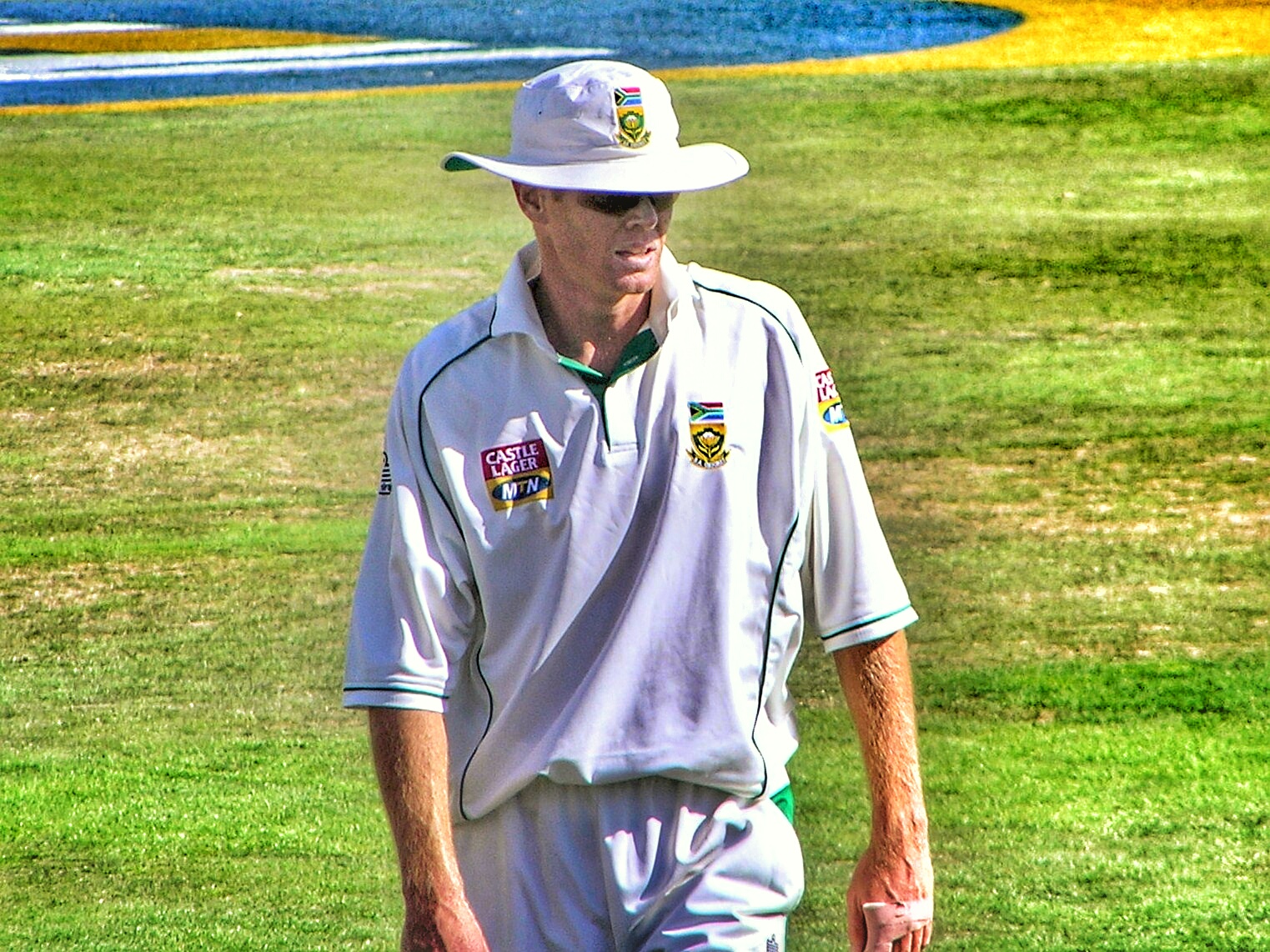
Memories of Newlands 2005 - Shaun Pollock Fielding at Fine Leg
Memories of Newlands 2005 – Shaun Pollock Fielding at Fine Leg

One of the joys of England tours to Australia and South Africa (and it could be New Zealand too if they scheduled it that way) for the spectator is how the Test matches fall, one on Boxing Day and one at New Year.  For a cricket fan, tuning in late on Christmas Day or early on Boxing Day for some Test cricket remains one of the pleasures of the game.  For those who intend to travel, the same applies, Christmas or New Year in a great destination, sunshine and some good cricket.

It is therefore unsurprising that the perennially popular destination of Cape Town has the potential to be near enough a home game for England, with thousands of Brits descending on Newlands.  Few national sporting teams are lucky enough to have the support the England cricket team receive away from home, and if perhaps they haven’t always deserved or fully appreciated it, it remains one of the highlights of the travelling fan’s calendar. (Dmitri here – when I went in 2004/5, a taxi driver taking us from the town centre to our hotel said England’s turnout that year was the most overseas sports fans he’d ever seen. Including Ireland during the Rugby World Cup. It’s a great place to watch test cricket.)

Memories of Newlands - Being Able To Walk On The Outfield (Day 4 I think)
Memories of Newlands – Being Able To Walk On The Outfield (Day 4 I think)

On this occasion, those supporters will arrive at Newlands buoyed by the comprehensive victory in Durban, and with the UK media generally predicting more of the same.  At first sight, that confidence may not be misplaced, for Dale Steyn is out of the match having twice pulled up lame in the first match, and Kyle Abbott – himself a replacement for Vernon Philander – facing a fitness test on his hamstring before seeing if he’s fit to play.  Steyn’s place looks certain to be taken by the raw 20 year old Kasigo Rabada.  He may be relatively unknown, but he took 6-16 on his ODI debut against Bangladesh last year (checks…yes, last year now) and is highly rated by the likes of Shaun Pollock and Allan Donald.  One thing he appears to possess in abundance is pace, being clocked at 94mph in that match; England haven’t always handled express pace well, particularly on bouncier, pacier wickets.

Yet despite the bowling problems, at Kingsmead the Proteas bowling stocks performed fairly well, it was the batting that let them down.  And here is where media confidence in England may end up misplaced.  For Dean Elgar was the best batsman on either side, and Hashim Amla will surely return to form at some point soon.

On Top Of The Table
On Top Of The Table

AB De Villiers is being relieved of his wicketkeeping duties, with Quinton de Kock returning to the line up.   That selection would be at the expense of either Temba Bavuma or JP Duminy, and with Rabada replacing Steyn, the selection quota is satisfied, so the expecation would be that Bavuma would be the one to make way.

Graeme Smith has been brought in as a batting consultant; a cynic might think that is more about limiting his public comments as much as anything, for it seems unlikely he will have much of an impact beyond a pep talk in one day before a Test match.

A Long Day's Play.....
A Long Day’s Play…..

England have no such problems, with their only decision concerning the fitness and match fitness of James Anderson.  The indications are positive, and Chris Woakes is the most likely to make way.  It’s a rare thing where England go 1-0 up away from home and strengthen for the second Test.

It is nearly 60 years since England last won at Newlands, and since South Africa’s re-admission only Australia – who appear to regard it as their second home, so impressive is their record – have beaten the hosts.  For England to prevail would represent one of their finer recent away performances.

(Dmitri simple question – something happened on my visit to Newlands in 2005 that has happened on just nine other occasions in the history of test cricket. And no, it’s not that we lost. What is it?)

Day one comments in here!

The End of 2015 – My Thanks

By Dmitri Old / Lord Canis Lupus

Happy New Year

The end of 2015 is nigh, and although I’ll continue with the Dmitris and the review of the year into 2016, this is a time to give my thanks to all of those who have made Being Outside Cricket what it is. What that is, I have no idea….

My main thanks, of course, has to go to The Leg Glance. Chris offered his assistance at a time when I was really struggling with a change of job and some personal issues. He has been an absolute bloody tower of strength, a fantastic contributor to the blog (and no, he’s more than that, he is every much BOC as I am), and more than anything, a bloody good mate. We sealed the friendship over Krusovice, and no doubt we’ll share some more. I think one night in August, when a very well lubricated Dmitri entered into Twitter combat with a journo was when I was most thankful. Cheers, squire.

Then there are those that have contributed. Sean B, aka The Great Bucko, has put some really decent stuff out there for you, and I hope we’ll keep him from his own blog, and get his stuff on here. Also thanks for Philip for the batting piece in the late season. Again, really thought provoking. Thanks to both for the Ashes Panel too which brings me on to…..

To all those on the Ashes panel not already named, I can’t thank you enough. Keyser Chris (a great pleasure to meet you at Lord’s – let’s do that Adelaide piece one day), Man In A Barrel (despite the problems you caused 🙂 ), Cricketjon (how many names/emails you had on here 🙂 ), Paul Ewart (my main man in Finland!), The poet supreme that is The Bogfather (cut out the filth),  AndyIn Brum (my PoI fellow fanatic), Metatone (where you been, man?), EoinJPMorgan (what’s happened to Hillel), Andy Cronk (Oscar da Bosca), Dr. Melf (cheers for the support on Twitter as well), Rooto from the Cote D’Azur, Colonel Blimp (our man for the Windies) and Martin Payne (a Hammer, but I’ll let him off). The Ashes Panel went down really well, it was tough for all of you, but you responded superbly and made it what it was. Thank you so much for that.

To my constants for the last couple of years. Arron, who was there at the start of this blog going “big”. You know both Chris and I would love you to write more on here, but understand your desire to stay as a commenter. Simon H, Mr Stats, Mr News, the man who leads us to the stories – again, this blog would be a lot poorer without you here. Mark, the raging light that never goes out, who will say what he wants when he wants. I love a “Mark” response. To D’Arthez – again, we appreciate all the effort you put in, and understand the waning passion. Keep posting. Zephirine too (maybe one day I’ll learn to spell your name, but you taught me a lesson – never assume your respondents are male) – constant commenter, loyal follower. Northern Light, who has also been a big supporter over the last couple of years, as has Simon K, my local neighbour, who ruined my May with his tweets on politics!

To all my commenters this year. If I miss you out, it’s down to my error. So let’s go.

Iron Balls McGinty, @pktroll, AB, Ali Martin, Amit, Alan, Alec, Andrew Nixon, Andy (if not covered by Cronk or AiB), Angst (my man in Hong Kong), Ann Weatherly-Barton, ArushaTZ, Benny (great to meet you at The Oval, let’s do it again next year), Badger, Bags of Smoke, Belgianwaffle, Bertie, BigKev 67 (I think we’d get on better without this cricket lark), Blamcrambello, Bob, BoerinAustria (a perennial star here – thanks for the support over the last year and a half), Boz (hope you are well, long time no hear, drop me a mail), Brian Coleman, Burly (another one dropped off the radar), Cato Junior, Chateleine, Chris Stocks (appreciated the reply), Chrisps (like our Master In Charge, keep ploughing on), the tour de force that was/is Clivejw, Craig, Critihas, Culex, CustomCopyWriting (we’ll get to you later….), Dan, DanDanBoom, Danno (hope you and the family are well, Chris), Danny, Dark King (maybe Culex), Dave, DavetheVet, David Hopps, David Mutton, DLPThomas, Douglas Green (one, very odd, response), dvyk, Ed, emasl, Escort (up the BBC!), Footydoc, Fred (miss you on here, sir), FICJAM IS ON AGAIN AAAAGH (Must be someone else, but can’t match the mail), Fungineer, FustedBlush, Gambrinus (keep a welcome in the hillsides, squire), geoffboycottsgrandmother, Gonthaar (sorry for wordpress asking for your mail), Grenville, greyblazer, Grumble (or Jomesy as he is better known), Grumpy Gaz (another missing for a while), hatmallet, Ishallremainanonymous, Ian, Ian Jones, infrequent commentator (incredibly infrequent – just the once), Ivon Ivonovich (oh yes indeed), Jack Ballard (aka Ross), James (aka Larry David Niven), James Morgan (mentioned him already), Jamie, Jayman, JennyAH (who can see the nice in all of us, wish I could), jbkingsangler, jegmeister, Julie Gould (KP’s #1 fan, I’m just a jobbing amateur), JoFo, John Etheridge (still no), John Owen, Jomesy (again), Josh, Jrod (aka Jarrod Kimber), Lawrence Booth, LarryC, Leplayboy, Lezza44, Liam Desmond, Lionel Joseph, Lord Clarke of Paraguay, Lydia Thayer, Maggie, Marees, Marge, Maxie (we’ll get on to him later), May, Mike, MM, Moggy, Moosyn, Muzzleford, Narelle, NE Mike, Nephilim, NJH Cricket (I’m sure he’ll appreciate it. PS I know, have done for ages), Nicholas, Nick, Nick Atkinson, Pam Nash (ha ha ha, as if), Paul, Peeking Duck, PepperSydney, PhilA (need your help on the glossary, sir), pluckywingate, Pontiac (Nathan Lyon’s #1 Fan), Poultz24 (our newest contributor), Sherwick, Rich (aka Rich77), Richard, Rob, Roger, Rohan (thanks for all the contributions, and support), Ron, Ron Walaron (long time no hear for Ron as well), Rufus SG, Ross More (though I might have done him before), Sarah, Saxophone Alex, Scrim, Silk, Sebsmar, Shaun, SimplyShirah, Sir Peter (getting pangs for Cape Town, mate?), SNML, Steve from Oz, Steve, Steve T, SteveTuffers, SubtleKnife, THA, The Nibbler, The Vickster (back after 7 months!), Timmy, Tom (from a pacificview), Tony Bennett, Topshelf, Tregaskis (we’ll get to him later), Trevor, Tuffers86 (might have had another name), Tybalt, Veturi Sarma, VinnieMac, Volkerelle, Waikatoguy, What What, Wrongunatlongon (long time no hear – the bloke who inspired me to go that extra mile at the start of 2014), Yossarian 1977, Zero Bullshit (one of the great misses. Sad about this one) and Zeitkratzer Stockhausen (Toby Roland Jones…..)

Ed Book

I have a couple of questions. Who is my visitor in Chile? And the one in Joinville, Brazil? E-mail me on dmitriold@hotmail.co.uk . Also, the visitor who might register from Templecombe in Somerset. Could you also drop us a line. You were a key visitor!

To supportive blogs like Dennis Does Cricket. I had good fun with the Ashes previews. Let us do it again, if we are still doing this next time around.

I’d like to pay tribute to the work of Tregaskis this year. When he posts, we listen. An inspiration in terms of depth, research and turn of phrase. Glad we are on the same side.

I was really gutted to see the end of The Full Toss, and the hopefully temporary hiatus in the output of Maxie. Another inspiration to me in particular, Maxie and James had a great thing going, and can see why it got to where it did. I’ve had my own doubts. Best of luck to James in his new venture.

To those journalists willing to engage, thanks. We don’t bite. It’s passionate, I know, but you take that away, you see those who the country depends upon to keep the fires burning turning their backs on the sport. I’m sure that’s never been in the ECB’s heads. There’s been less interaction this year, but the Ashes solved many issues in many eyes.

To the ECB. The Ashes didn’t solve a thing. While Giles Clarke has an official role with your backing, then it cannot.

To Jarrod and Sam, thanks for access to the film. Good luck in your ventures, and we’ll support it how we can within the confines of the blog. There are some, you know!

For the record, some of my best ofs for 2015.

My England innings of the year was Alastair Cook’s 162 at Lord’s. This isn’t me pulling my punches. It’s acknowledging that he played a truly special knock that played a huge part in us winning a fantastic match.

My favourite commentator this year was Mike Atherton. He has zoomed past Nasser Hussain who went downhill rapidly – maybe 2016 might bring redemption. Sky should also think of promoting Mark Butcher (although given his behind the sofa comment, which Cook raised at the end of the Ashes, and the close relationship between ECB and Sky, that’s a reach) and Robert Key. I think they only employ Dominic Cork to troll their viewers. TMS is much the same with Lovejoy. If you also have Sky, one minute of Brayshaw is enough to have you scratching your eyes out.

My favourite moment of last year was seeing Toby Roland Jones make his first hundred at the end of a great day at Lord’s. It was a joy to be there. And I am a Surrey man.

P1070022

The best bowling was Broad at Trent Bridge, how could it not be?

Finally, I want to thank all those who have been so supportive on here. I’ve met a few of you this year, and I’d like to meet a few more. How this blog will go next year is anyone’s guess. If you stick with us, I’m sure we’ll enjoy it. As I said, I was having major doubts at the end of the Ashes, and then again earlier this month, but I’ve rediscovered some of the fun in doing this again. My friends at work, overseas and the long-suffering beloved have been great this year. I should thank the wife for her patience, her listening to me wittering on about this thing, and being very supportive. One in a million.

Not sure how long it will last, but I hope this mood remains for a while yet.

I wish you all a Happy New Year. Good luck to you all.

Dmitri


South Africa v England: 1st Test, day five and match review

South Africa in disarray, England exultant.  No doubt the word “momentum” will be used.

Taking four wickets for seven runs (including du Plessis last night) probably wasn’t the expectation of anyone, with the game effectively done and dusted within half an hour of the start.  But on reflection it probably shouldn’t come as that much of a shock, from the start of the fourth day South Africa seemed almost resigned to defeat, with only the brief passage of play at the top of the second innings suggesting some degree of fight.

It was Moeen Ali, named man of the match, who did the damage, removing AB De Villiers with the third ball of the morning.  Moeen hasn’t had an unquestioned role in the side, not helped by being shunted up and down the batting order and a lack of clarity about what his role is meant to be.  He isn’t one of the six best batsmen in the country, though he is one of the six best to watch, so his primary role has to be as spinner, with his batting complementing that.  There has been considerable development in his bowling since his debut, and it’s now time to start thinking of him as much much more than the part-timer he was then called.  It wasn’t an unreasonable description either at the start, but by all accounts he works harder than anyone and is keen to learn.   The fruits of that are starting to show, though how much further he can develop is an open question.

His Test bowling average isn’t anything special, though in recent historic terms for England it’s not bad either – Swann is an outlier amongst English finger spinners – but after 20 Tests his statistics are starting to become meaningful.  The one that reflects well on him is his strike rate, with a wicket every 56 balls.  That is actually better than Swann, though no one would argue he’s remotely the equivalent as a bowler, for Swann was vastly better at the defensive role.  But Moeen does have the knack of taking wickets, and just as with Finn, this is a skill that the England are finally starting to pay attention to; “bowling dry” is unquestionably a part of the game and England’s ability to strangle sides into submission was impressive.  But the ability to take wickets out of nowhere is more impressive still – the holy grail is to have both of course, but if it was that easy every side would do it.

Therefore it could be argued that 18 months into his Test career, Moeen is actually underrated.  It is his batting where he is underperforming somewhat which is slightly ironic.

He would have had more wickets in his career had numerous stumping opportunities been taken, so Bairstow will have been delighted to get Bavuma, particularly after missing De Villiers last night.  And here we need to talk about wicketkeeping, because it is the one area of the game where people who have played at the highest level and can talk with wisdom and experience about cricket have no knowledge or understanding except in a couple of very obvious cases.

The stumping this morning was an easy one, because it went past the outside edge of the bat.  That means the keeper is following the line of the ball all the way down and the hands are automatically in the right position.  It’s therefore straightforward unless there is excessive spin taking it beyond the reach of the gloves.  The difficult ones are those that go between bat and pad.  Bairstow, just like Buttler, is a part-time wicketkeeper, and that creates a number of issues.  The taking or missing of a particular ball can’t be seen in isolation.  More than anyone else on the field, more even than the batsmen who get to switch off to some extent for half of their time out there, the wicketkeeper is involved in every single ball of the game. Concentration is an obvious requirement, but it’s about more than that – or rather it’s only part of the story – it’s about expecting the ball to miss the bat and come into the gloves.  When it goes between bat and pad there is an expectation that it will be hit, and the eyes follow the line of the bat rather than the ball.

This is not a technical issue as such, Bairstow is more than capable of taking it, and so is Buttler; the difference between a good full time keeper and a talented but part-time one is the automatic expectation that the ball will continue on its path and not be intercepted by the bat.  The best keepers do this, and it’s why in the case of either Bairstow or Buttler they will learn it should they continue to keep over the longer period.  That doesn’t mean they then become good keepers, for there are technical flaws in both of them compared to the best, but it is to explain why that one was missed, and why in itself it shouldn’t be a concern – those kinds of stumpings will come.  Prior in his first incarnation also missed them regularly for example, in his second having focused on his keeping much more, he would take them.

Still, Bairstow took the opportunity today well enough, and will certainly gain confidence from it, which also is part of the equation.

From there it was something of a procession, Finn producing one that moved away just a fraction off the seam and was frankly wasted on Dale Steyn,  Moeen again got bite and turn to account for Abbott while Woakes finally got a wicket, which was the least he deserved – he has bowled well without reward this Test.

Fittingly, Stuart Broad delivered the coup de grace to give England a thumping win by 241 runs.

This is a remarkable margin of victory having been sent to bat in difficult conditions with England finding themselves 12-2 and then 49-3.  South Africa’s abundant problems will be much discussed in consequence, but there is always the danger of underplaying England’s wins and overplaying their defeats.  Too often England only win because the opposition were rubbish, and lose because they are rubbish.  It isn’t particularly fair, they won this game and won it well.

The first innings total of 303 is what set up the game.  It’s not a huge score but given the conditions and a pitch where run scoring wasn’t easy, it was a decent one.  Taylor and Compton can reflect on  their performances in that crucial period and be very satisfied with it.  As a combination they batted beautifully, and Graeme Swann’s bizarre and consistent criticism of Compton for batting too slowly gave something of an insight into the environment of the England team during his first spell in the side.  Compton did an outstanding job here, and deserves high praise not snide dismissal.  Had Alastair Cook done the same thing, he would have received considerable plaudits for it, for it was every bit a Cook type innings in pace, style and above all importance.  Rightly so too when Cook does it, but it is hard to avoid the conclusion that Swann is blinded by favouritism rather than what is going on in front of him.  It is distasteful.

If Compton had a case for being man of the match, so did James Taylor.  Doubtless Kevin Pietersen’s view that he wasn’t good enough for Test cricket in 2012 will be thrown back at him, but firstly Taylor is a better player now than he was then, but also Pietersen’s view at the time was quite clearly echoed by the selectors, who didn’t pick him.  Here he was busy at the crease, and turned the pressure back on to the bowlers.  As a combination with the doughty Compton, it worked beautifully.

That the man of the match award wasn’t an easy one to choose is evidenced by Broad being the fourth player who must have felt in with a shout.  He took fewer wickets than either Moeen or Finn, but the timing of his was the key, breaking the back of South Africa first time round, and ensuring England had a big lead at half way.  Broad is becoming a very, very fine bowler indeed.  And he seems to have got his batting back to at least some extent.  It’s going to be a big few years from him.

Lastly Finn himself can count himself a trifle unlucky to be overlooked too.  Having written about him yesterday there is no point repeating it, but he is looking in fine fettle.

England do have the nice problem of finding a place for Anderson, and Woakes seems certain to make way for him.  Harsh on Woakes if so, but it’s hard to criticise bringing back England’s record wicket taker.

Whither South Africa?

The first thing here is that a side can be comprehensively beaten in one match and gel in the next.  Even those without long memories ought to know that from the last Ashes series where the teams took it in turns to batter the other.  With that said, they do look in some disarray.  The injury to Steyn looks highly likely to keep him out of at least the second Test, but the rest of the attack – and Morkel in particular – compensated admirably here.  Their problems were not in the bowling.

De Villiers’ less than subtle hint about his workload appears to have been listened to, with de Kock being brought in to the squad for Cape Town and seemingly certain to play.  Overloading the best batsman in the side always seemed a peculiar approach, but it’s not in and of itself a reason for how this Test unfolded.  Yet for all the talk about Bairstow behind the stumps it shouldn’t be overlooked that De Villiers had a poor time with the gloves in this game anyway.

Elgar had an excellent match, looking solid and but for being on the losing team probably was the outstanding performer on either side, while Van Zyl in the second innings could well have played himself back into some kind of form without going on to make a substantial score.

The captain is clearly a concern, but Amla is a high class player and has been for a decade.  He was all at sea in the first innings, but much better in the second.  Anyone writing him off does so at their peril, for he will come good, and when he does England will suffer for it.

The immediate response to their performance has a hint of overreaction about it; England are not that good and South Africa are not that bad.  It’s one Test, and South Africa’s difficult tour of India notwithstanding, they have not become a bad side overnight, but they are clearly very low on confidence.

Newlands is a fortress of South African cricket, and while England will go there with confidence, suggestions that they are favourites to win based on this game are a triumph of hope over experience.  South Africa will probably not play as badly as they have done in Durban – if they do they are indeed in real trouble, and at that point a reassessment might be in order.

This isn’t going to stop some getting carried away, and it will be the same people who usually do so.  C’est la vie.